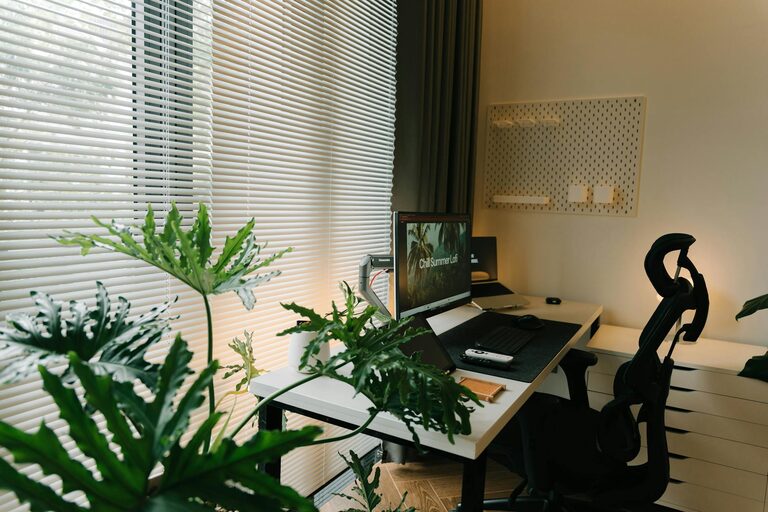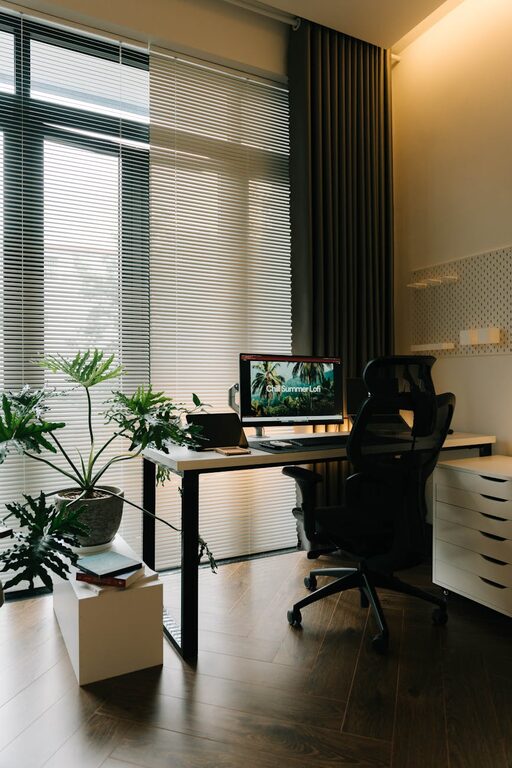

Creating a home office that feels both cozy and productive can make a huge difference in your daily work experience. Whether you’re working remotely full-time or just need a dedicated spot for occasional projects, your workspace should inspire focus and comfort. Below are practical tips to help you design a home office that supports your productivity while providing a warm and inviting atmosphere.
Choose the Right Location
The first step in creating your home office is selecting an ideal spot. Consider these factors:
– Natural Light: Choose an area with plenty of natural light. Sunlight improves mood and energy levels, helping you stay alert.
– Quiet and Private: Find a space free from distractions like household noise or foot traffic.
– Sufficient Space: Ensure you have enough room for your desk, chair, and storage needs.
If space is limited, even a small corner or a section of a room can work well with the right organization.
Invest in Comfortable and Functional Furniture
Comfort is key for maintaining productivity during long work sessions. Here’s what to look for:
– Ergonomic Chair: A chair with good back support helps prevent strain and discomfort. Adjustable height and armrests add extra comfort.
– Sturdy Desk: Choose a desk that fits your equipment and allows you enough surface area to work comfortably.
– Consider a Standing Desk: Alternating between sitting and standing can improve circulation and reduce fatigue.
Adding a small cushion or a footrest can further personalize your seating for maximum comfort.
Optimize Lighting for Comfort and Focus
Lighting impacts both productivity and mood. Aim for a mix of natural and artificial light:
– Position your Desk Near a Window: This provides natural light and views that can refresh your mind.
– Use Adjustable Task Lighting: A desk lamp with adjustable brightness helps reduce eye strain during evening hours.
– Avoid Glare: Position screens and lights to minimize reflections or harsh brightness.
Soft, warm light is also great for creating a cozy atmosphere during early mornings or late nights.
Keep Your Workspace Organized
A clutter-free workspace encourages a clear mind. Try these organization tips:
– Use Storage Solutions: Shelves, drawers, and file organizers keep your materials tidy and accessible.
– Declutter Regularly: Set aside time each week to clean your space and remove unnecessary items.
– Organize Cables: Use cable clips or sleeves to keep cords neat and prevent tangling.
Labeling storage boxes and files can help you quickly find what you need without stress.
Personalize Your Space Thoughtfully
Personal touches make your workspace inviting but avoid distractions. Consider adding:
– Plants: Indoor plants improve air quality and add natural beauty.
– Artwork or Photos: Display inspiring artwork or photos that boost motivation.
– Comfort Items: Soft pillows, a cozy throw blanket, or a scented candle can increase comfort.
Be mindful to keep decorations minimal to maintain focus.
Incorporate Technology Efficiently
Setup technology to support productivity without clutter:
– Reliable Internet Connection: A strong connection ensures smooth video calls and fast downloads.
– Quality Equipment: Invest in a good monitor, keyboard, and mouse for comfort and efficiency.
– Noise-Canceling Headphones: These help reduce distractions during calls or focused work.
Keep charging stations and device holders handy to maintain an organized desk.
Establish Boundaries and Routines
Creating clear boundaries between work and home life benefits your focus and wellbeing:
– Set Regular Hours: Designate specific work times to maintain discipline.
– Create a Start and End Ritual: This can be something simple like closing your laptop or changing your clothes to help signal the workday’s beginning and end.
– Communicate Your Workspace Use: Let household members know your office requirements to minimize interruptions.
Maintaining routines helps your brain switch into work mode even when you’re at home.
Consider Acoustics and Sound
Sound can impact concentration greatly. Here’s how to manage it:
– Soft Furnishings: Rugs, curtains, and cushions absorb sound to reduce echo.
– White Noise Machines or Apps: These can mask distracting background noises.
– Quiet Signals: If sharing a home space, use signs or signals to indicate when you shouldn’t be disturbed.
Balancing sound levels creates a peaceful environment conducive to deep work.
—
By combining these tips, you can craft a home office that is both comfortable and efficient. A well-thought-out workspace supports your focus, reduces stress, and makes working from home a more enjoyable experience. Remember, your ideal office should reflect your personal style while promoting habits that keep you productive and motivated. Happy decorating!
About the Author