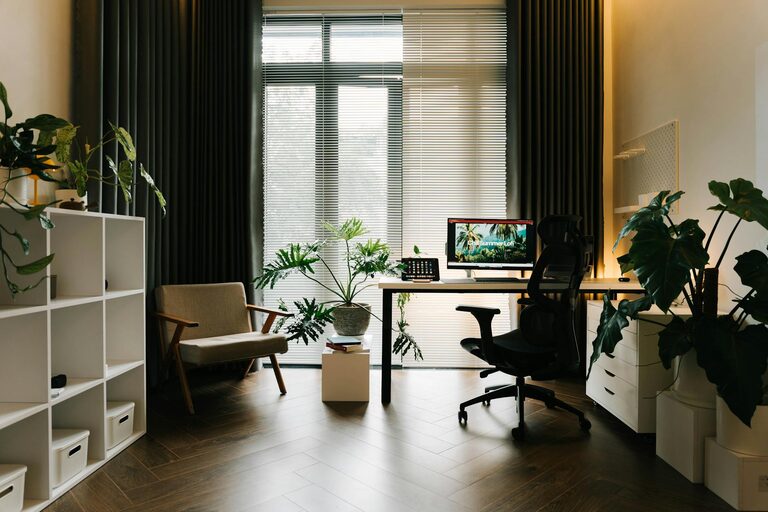
Creating a relaxing home office environment is essential for maintaining focus, reducing stress, and making work-from-home days more enjoyable. Whether you’ve recently transitioned to remote work or want to improve your current setup, small changes can make a significant difference in how you feel and perform throughout the day. This guide offers practical tips to help you design a workspace that promotes calmness and productivity.
Why a Relaxing Home Office Matters
When your workspace feels cluttered or uncomfortable, it can negatively impact your mood and efficiency. A relaxing environment helps you stay calm, think clearly, and work more effectively. Taking the time to create a pleasant and organized space can also signal to your brain that it’s time to focus, making it easier to separate work and home life.
Choose the Right Location
Selecting the right spot for your home office is the first step toward creating a relaxing space.
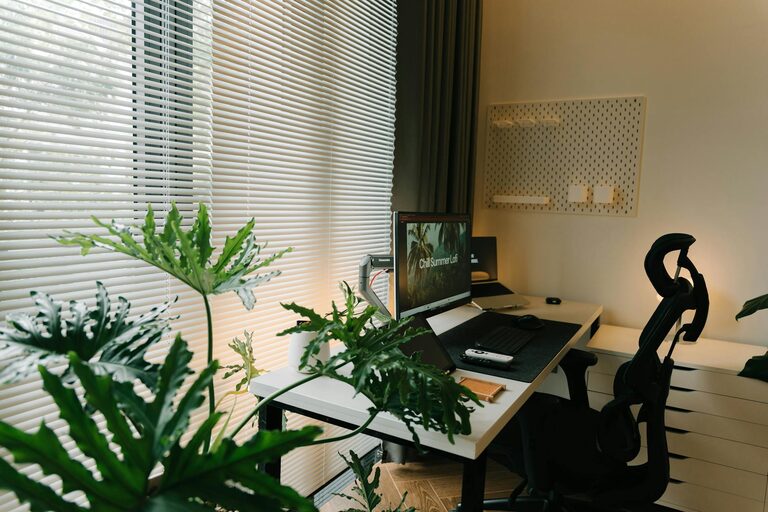
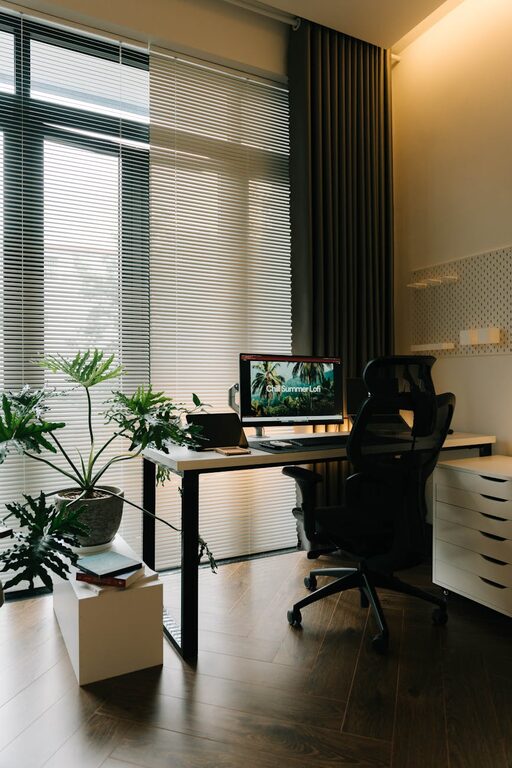
– Natural light: Aim to place your desk near a window to benefit from natural light. Exposure to daylight can improve your mood and energy.
– Quiet surroundings: Choose a location away from noisy areas like the kitchen or living room to minimize distractions.
– Space and comfort: Ensure there’s enough room for your desk, chair, computer, and any other essentials without feeling cramped.
Invest in Comfortable Furniture
Comfortable furniture can prevent physical strain and help you focus longer.
– Ergonomic chair: Choose a chair with good lumbar support, adjustable height, and comfortable cushioning.
– Desk height: Your desk should allow your arms to rest at a 90-degree angle when typing.
– Additional seating: If possible, add a small sofa or an armchair for breaks or brainstorming sessions.
Declutter and Organize
A cluttered desk can lead to a cluttered mind. Keeping your workspace tidy encourages calm and focus.
– Minimalist approach: Only keep essentials on your desk and store other items in drawers or shelves.
– Storage solutions: Use organizers, trays, or bins to keep supplies neatly arranged.
– Cable management: Use clips or sleeves to organize cables and avoid a tangled mess.
Personalize Your Space
Adding personal touches can make your workspace feel more inviting and relaxing.
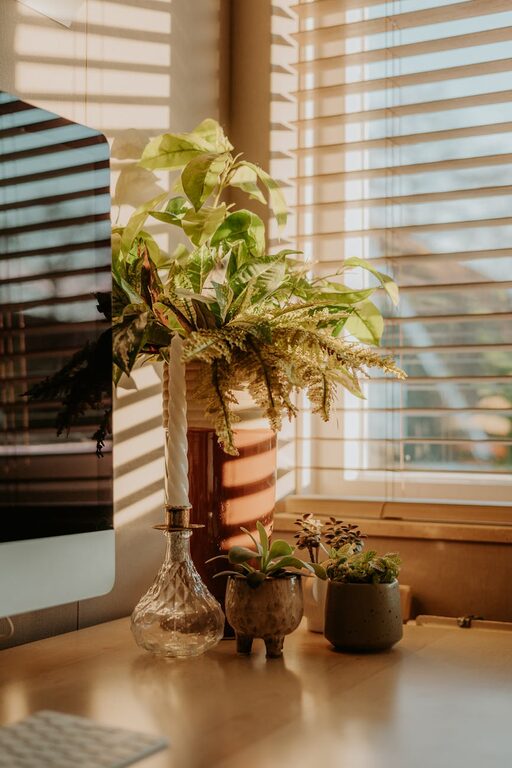
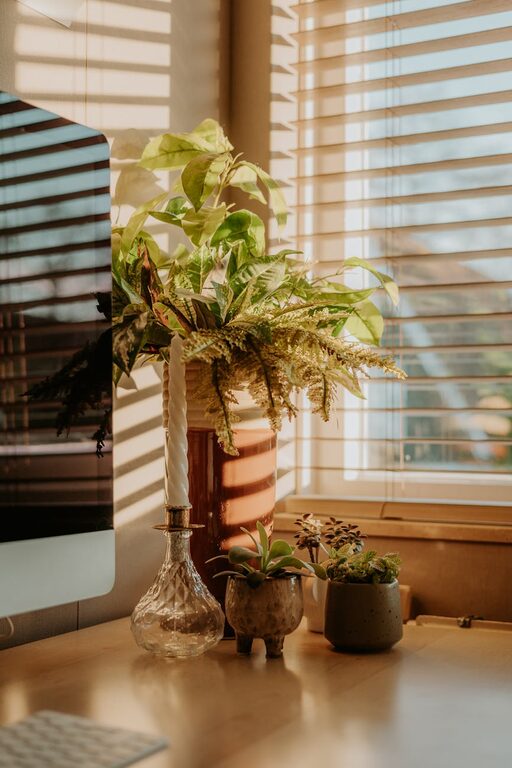
– Plants: Incorporate a few indoor plants to add freshness and improve air quality.
– Artwork: Hang calming pictures or inspirational quotes that motivate you.
– Colors: Soft, neutral colors like blues, greens, or pastels promote relaxation.
– Lighting: Use adjustable lamps with warm light to reduce eye strain, especially in the evening.
Manage Noise Levels
Noise can be a major source of distraction or stress.
– Noise-cancelling headphones: These are great for blocking out background sounds.
– White noise: Consider a white noise machine or app to mask distracting noises.
– Soft furnishings: Carpets, curtains, and cushions help absorb sound and make the space quieter.
Set Boundaries and Routine
Establishing clear boundaries can help you maintain work-life balance in the same space.
– Work hours: Define specific working hours and stick to them.
– Breaks: Schedule regular breaks to stretch, hydrate, and rest your eyes.
– Signage: Use a simple “Do Not Disturb” sign if you share your space with others.
Enhance Air Quality and Comfort
Good air quality and temperature improve concentration and well-being.
– Ventilation: Open windows when possible or use an air purifier.
– Humidity: Use a humidifier in dry climates to keep air comfortable.
– Temperature: Keep the room at a comfortable temperature; adjust with fans or heaters as needed.
Use Technology Wisely
Technology can boost productivity but can also add stress if not managed well.
– Declutter your desktop: Keep only the apps you regularly use on your computer desktop.
– Use productivity tools: Apps for task management, time tracking, and focus can help maintain efficiency.
– Limit notifications: Turn off non-urgent notifications to reduce distractions.
Keep Healthy Habits in Mind
Your workspace environment should support your overall health.
– Adjust your posture: Take care to sit upright and change positions frequently.
– Eye care: Follow the 20-20-20 rule – every 20 minutes, look 20 feet away for 20 seconds.
– Stay hydrated: Keep a water bottle nearby and drink regularly.
—
Creating a relaxing home office involves more than just arranging furniture—it’s about designing a space that encourages calm focus and supports your well-being. By choosing the right location, investing in comfortable furniture, organizing your space, and incorporating personal touches, you can make your home office a place you enjoy working in every day. Small changes today can lead to big improvements in productivity and comfort tomorrow.
About the Author