Creating a home workspace that feels both relaxing and productive can make a big difference in your daily work routine. When your environment supports focus and calm, it’s easier to stay motivated and finish tasks more efficiently. Whether you work remotely full-time or just occasionally, setting up a thoughtful workspace is key to maintaining balance and reducing stress.
In this post, we’ll explore practical tips for designing a relaxing home workspace that helps boost productivity.
Choose the Right Location
Finding the best spot for your home office is the first step. Here are some considerations:
– Quiet and Private: Pick a place with minimal distractions, away from heavy foot traffic or loud noises.
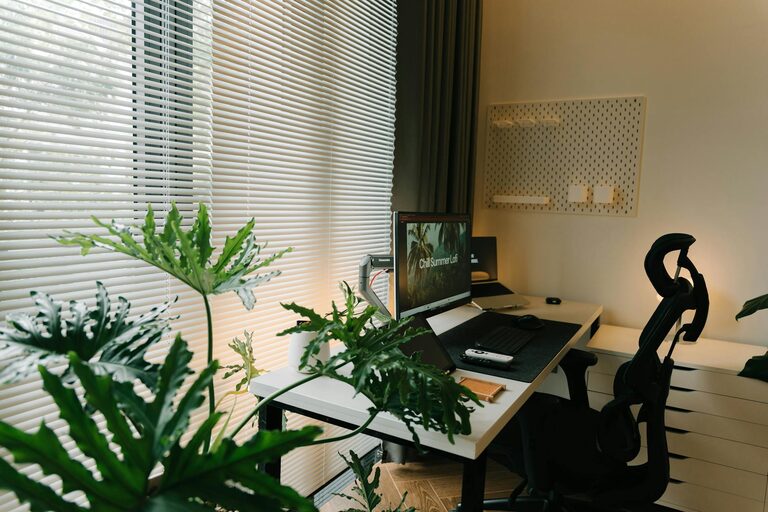
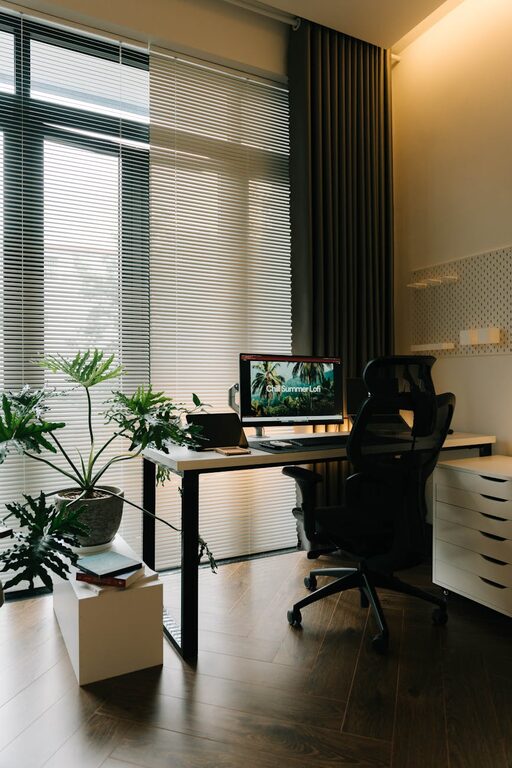
– Natural Light: A spot near a window allows natural sunlight, which can improve mood and energy.
– Ventilation: Fresh air helps keep you alert. Avoid cramped or stuffy spaces.
If space is limited, a corner in a quiet room can work well with the right setup.
Invest in Comfortable Furniture
Comfort plays a major role in productivity. Consider these furniture tips:
– Ergonomic Chair: Choose a chair with adjustable height, good lumbar support, and comfortable padding.
– Desk Height: Your desk should allow your arms to rest at around a 90-degree angle when typing.
– Spacious Surface: Having enough space for your computer, planner, and writing materials helps keep you organized.
Remember, investing in good furniture protects your posture and prevents discomfort that leads to distraction.
Use Calming Colors and Decor
The colors and decor in your workspace influence your mood and concentration. Some suggestions include:
– Soft, Neutral Colors: Shades like light blue, green, beige, or pastels create a soothing atmosphere.
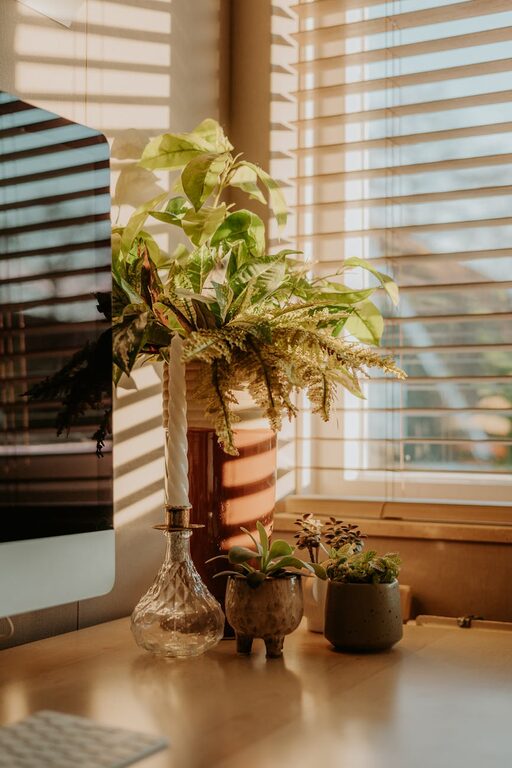
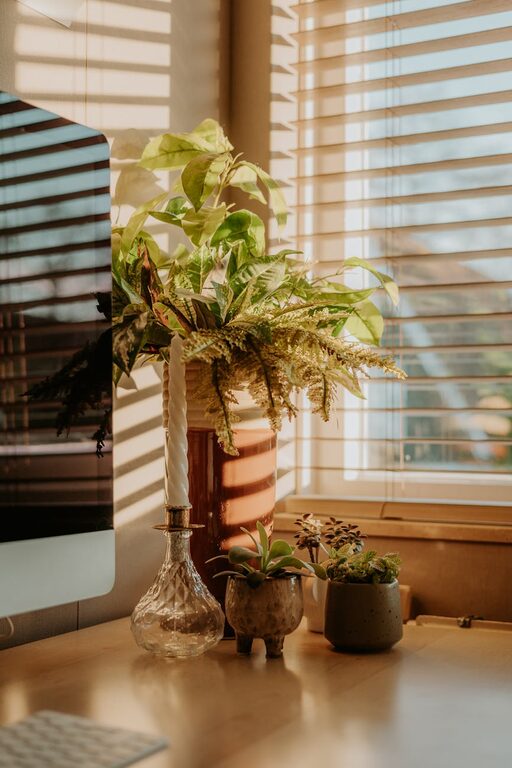
– Personal Touches: Add plants, artwork, or meaningful objects to make the space inviting.
– Minimal Clutter: Keep decorations simple to avoid overwhelming visual distractions.
Plants, in particular, not only brighten the space but can improve air quality and reduce stress.
Optimize Lighting
Good lighting reduces eye strain and keeps you alert. Here’s what to consider:
– Natural Light First: Whenever possible, position your desk to take advantage of daylight.
– Layered Lighting: Combine overhead lights with task lighting such as a desk lamp for focused work.
– Adjustable Lights: Use dimmable or adjustable lamps to control brightness based on the time of day and task.
Avoid harsh fluorescents and try to minimize screen glare by adjusting your monitor position or using anti-glare screens.
Organize and Declutter
A tidy workspace helps clear your mind and improve focus.
– Storage Solutions: Use shelves, drawers, or desk organizers to keep supplies neatly stored.
– Daily Clean-Up: Spend a few minutes at the end of each workday putting things away.
– Limit Items on Desk: Keep only essentials within reach to reduce distractions.
Digital organization matters too. Keep your computer files and emails organized to enhance efficiency.
Incorporate Relaxation Elements
Adding small features that promote relaxation can help manage stress during work.
– Aromatherapy: Use essential oil diffusers or candles with calming scents like lavender or eucalyptus.
– Sound: Background music or nature sounds can improve concentration—choose what works best for you.
– Movement Breaks: Include space for stretching, yoga, or simple exercises to refresh your body.
Taking short breaks helps maintain energy and focus throughout the day.
Establish Boundaries
To keep your workspace relaxing and productive, create clear boundaries around work time and space.
– Set Regular Hours: Define when your workday starts and ends to avoid burnout.
– Communicate with Household: Let family or housemates know your schedule to reduce interruptions.
– Limit Non-Work Items: Avoid using your workspace for unrelated activities to maintain a professional mindset.
Physical and mental separation makes switching into “work mode” easier.
Final Thoughts
Designing a relaxing home workspace is a personal process, but focusing on comfort, lighting, organization, and calm elements will help create an environment where you can thrive. Experiment with the tips shared here to find what suits your preferences and work style best. A soothing space can boost your productivity and make working from home more enjoyable every day.
About the Author