Creating a cozy and inviting home workspace can make a big difference in your daily productivity and overall well-being. Whether you work remotely full-time or just occasionally need a quiet spot to focus, your workspace should be a place where you feel comfortable, motivated, and inspired. Here are some practical tips to help you design a warm and welcoming home office.
Choose the Right Location
Consider natural light
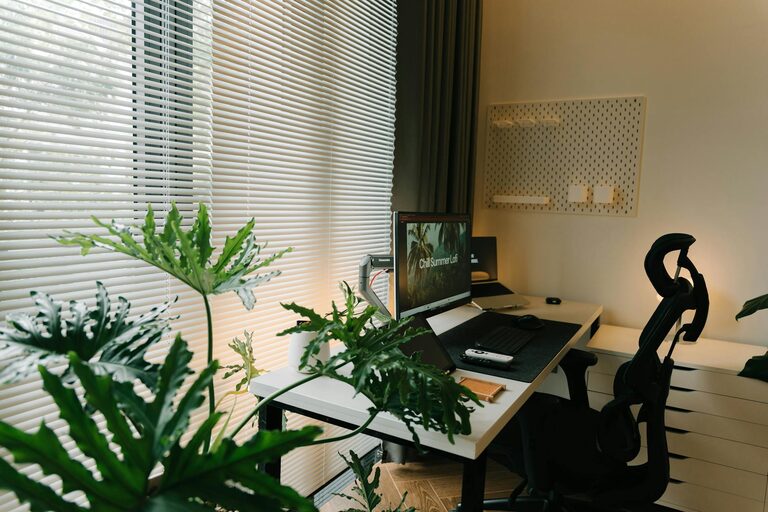
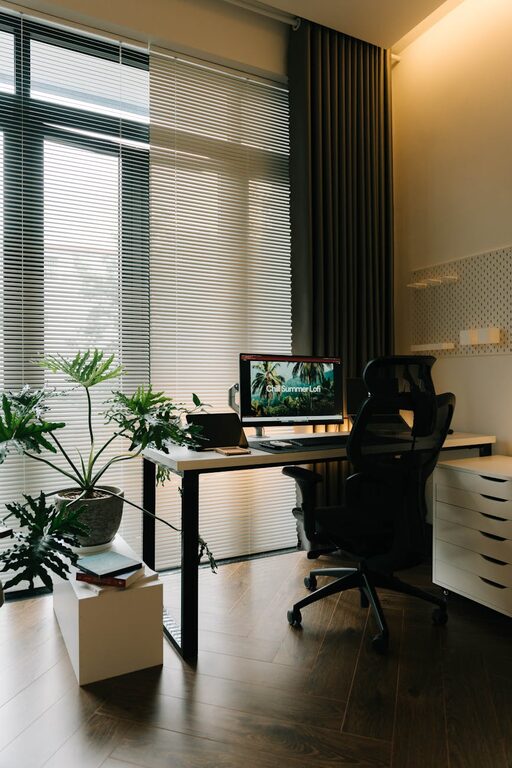
Picking a spot with plenty of natural light can boost your mood and energy. If possible, set up your desk near a window. Natural sunlight not only helps reduce eye strain but also creates a pleasant atmosphere that can make work feel less like a chore.
Minimize distractions
Try to select a quiet area away from the busiest parts of your home. This will help you stay focused and productive. If that’s not possible, noise-canceling headphones can be a good investment.
Invest in Comfortable Furniture
Ergonomic chair and desk
Comfort matters when you spend hours working at your desk. Invest in an ergonomic chair that supports your back and encourages good posture. Choose a desk that fits your space and provides enough room for your computer and essential supplies.
Add soft textures
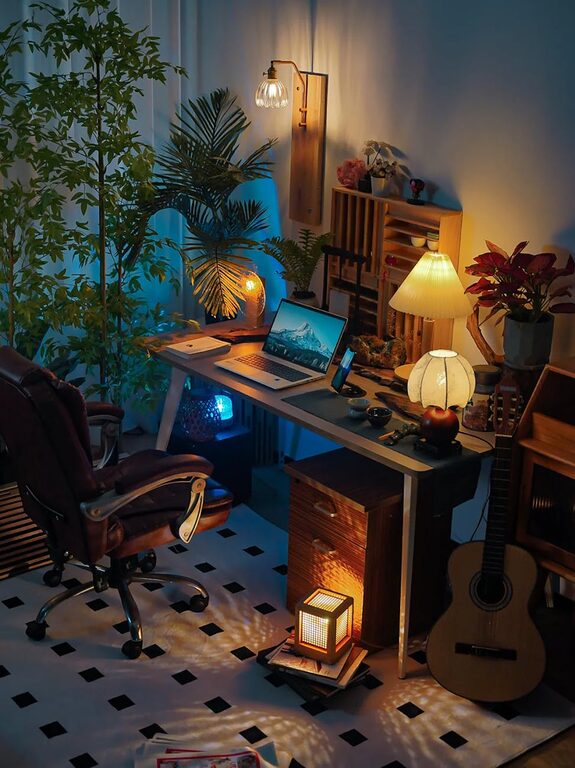
Incorporate cushions, throws, or a small rug to add warmth and softness to your workspace. These elements create a cozy vibe and can make the area feel less sterile.
Personalize Your Space
Include meaningful decor
Add pictures, artwork, or items that inspire you. Personal touches help make your workspace inviting and reflective of your personality.
Use plants
Indoor plants not only improve air quality but also add life and color. Easy-care options like succulents or pothos are perfect for busy days.
Organize and Declutter
Use storage solutions
Keep your workspace tidy by using organizers, shelves, or baskets. A clutter-free environment reduces stress and helps you find things quickly.
Develop a routine
Make it a habit to clear your desk at the end of each workday. This simple practice helps maintain order and prepares you for the next day.
Optimize Lighting
Combine natural and task lighting
While natural light is ideal, it’s important to have sufficient task lighting too. Desk lamps with adjustable brightness help reduce eye strain during late hours or gloomy days.
Warm light bulbs
Opt for light bulbs that emit warm, soft light rather than harsh white or blue tones. This creates a relaxing atmosphere that encourages concentration without feeling clinical.
Create a Balanced Layout
Arrange for functionality
Design your space so that frequently used items are within easy reach. Keep your computer, keyboard, and supplies ergonomically positioned to avoid strain.
Leave some breathing room
Don’t overcrowd your desk or surrounding area. A bit of empty space can help your mind feel less cluttered and more creative.
Add Elements for Relaxation
Create a mini break zone
If space allows, include a small corner with a comfy chair or cushion for short breaks. Stepping away from your desk for a few minutes can improve focus and reduce fatigue.
Use calming scents
Consider placing a subtle diffuser with essential oils like lavender or eucalyptus. Pleasant scents can enhance relaxation and productivity.
Manage Technology Wisely
Keep cables neat
Use cable clips or a cord organizer to prevent tangles and mess. A tidy workspace is easier to maintain and visually appealing.
Invest in quality accessories
Ergonomic keyboards, mouse pads, or monitor stands can help reduce discomfort and improve posture during long work hours.
Final Thoughts
Creating a cozy and inviting home workspace doesn’t require a big budget or complicated renovations. Small changes—like adding plants, improving lighting, and personalizing your surroundings—can dramatically improve your experience. Most importantly, design a space that feels right for you and supports your work style.
By prioritizing comfort, organization, and personal touches, your home office will become a place you look forward to spending time in—making workdays more enjoyable and productive.
About the Author